Embark on a journey towards a clutter-free workspace with the guide on How to Build a Paperless Digital Home Office. Discover efficient strategies and tools that will transform your home office into a digital haven of productivity and organization.
As the digital age evolves, the need to transition to a paperless environment becomes increasingly essential. This comprehensive Artikel will walk you through the steps needed to create a seamless digital workspace right within the comfort of your home.
Research and Planning
When setting up a paperless digital home office, it is crucial to start with thorough research and planning. This phase will help you define the purpose of your office, identify the essential tools and equipment needed, and research software options for creating a paperless environment.
Defining the Purpose of Your Digital Home Office
- Consider the primary activities you will be conducting in your home office.
- Define whether your focus will be on productivity, creativity, organization, or a combination of these.
- Determine if your home office will be used for personal tasks, professional work, or both.
Identifying Essential Tools and Equipment
- Invest in a reliable computer or laptop with sufficient processing power and storage capacity.
- Consider purchasing a high-quality scanner to digitize physical documents efficiently.
- Acquire a comfortable desk and ergonomic chair to create a conducive work environment.
Researching Software Options for a Paperless Environment
- Explore document management systems like Evernote, OneNote, or Google Drive for organizing digital files.
- Consider using electronic signature software such as DocuSign for signing documents digitally.
- Look into accounting software like QuickBooks or FreshBooks for managing finances without paper receipts.
Setting Up the Digital Infrastructure
When building a paperless digital home office, setting up the right digital infrastructure is key to staying organized and efficient.
Selecting a Cloud Storage Solution
Cloud storage is essential for managing and accessing your documents from anywhere. Consider the following factors when choosing a cloud storage solution:
- Storage Capacity: Ensure the service offers enough space for your documents and files.
- Security Features: Look for encryption and secure access options to protect your sensitive information.
- Compatibility: Check if the service is compatible with all your devices for seamless access.
Designing an Effective File Organization System
Organizing your digital files is crucial for quick and easy retrieval. Create a system that works for you by following these tips:
- Create Folders: Organize your files into categories and subcategories to keep everything structured.
- Naming Conventions: Use clear and consistent file names to easily identify documents.
- Metadata Tags: Add relevant tags to files for better searchability and organization.
Exploring Digital Note-Taking Apps
Digital note-taking apps can boost your productivity and help you stay organized. Consider the following popular options:
- Evernote:A versatile app for taking notes, organizing ideas, and collaborating with others.
- OneNote:Microsoft's note-taking app with features like audio recording and digital ink.
- Notion:A powerful all-in-one workspace for notes, tasks, and project management.
Digitizing Documents
When transitioning to a paperless digital home office, digitizing documents is a crucial step to ensure easy access and organization of your important files. By choosing the right tools and establishing efficient processes, you can streamline your workflow and increase productivity.Developing a naming convention for your digital files is essential to maintain consistency and facilitate quick retrieval when needed.
Consider including relevant details such as dates, categories, or s in the file names to make searching easier.
Choose a Scanner or Smartphone App
- Research and select a scanner that meets your needs in terms of document size, speed, and quality.
- Alternatively, explore smartphone apps that allow you to scan documents using your device's camera.
- Ensure that the chosen tool provides features like OCR (Optical Character Recognition) for searchable text within scanned documents.
Develop a Naming Convention
- Create a standardized format for naming your digital files, including elements like document type, date, and project name.
- Use consistent naming conventions across all files to avoid confusion and make searching more efficient.
- Consider incorporating abbreviations or codes for recurring categories to simplify the naming process.
Implement a Backup Strategy
- Set up automatic backups to cloud storage services or external hard drives to ensure redundancy and protection against data loss.
- Regularly test your backup system to verify that all important documents are being safely duplicated.
- Establish a schedule for backing up your digital files, whether daily, weekly, or monthly, to maintain the integrity of your data.
Creating a Virtual Workspace
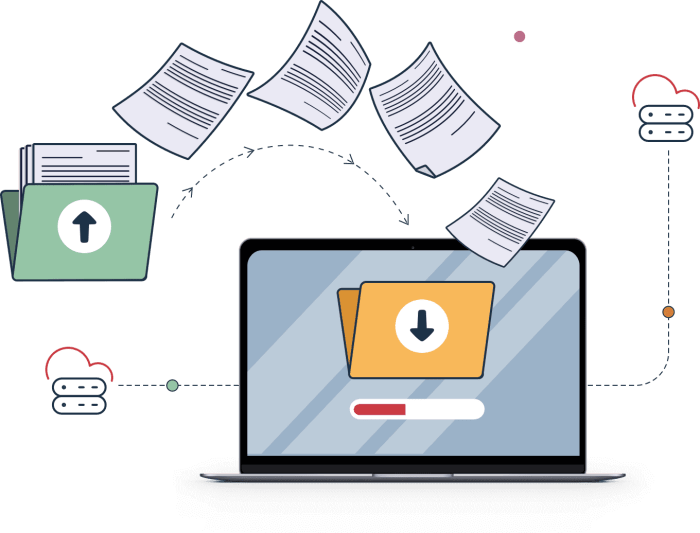
Creating a virtual workspace involves selecting the right furniture and equipment, designing a layout that fosters productivity, and utilizing tools for seamless communication.
Select Ergonomic Furniture and Equipment
When setting up your virtual workspace, it is crucial to choose ergonomic furniture and equipment to ensure a comfortable and healthy setup. Invest in a supportive chair that promotes good posture and reduces the risk of back pain. Additionally, opt for a desk that is at the correct height to prevent strain on your wrists and neck.
Consider adjustable monitor stands and keyboard trays to customize your workspace to your needs.
Design a Layout for Focus and Minimized Distractions
Designing a layout that promotes focus and minimizes distractions is essential for a productive virtual workspace. Place your desk in a well-lit area with natural light, if possible, to reduce eye strain and boost mood. Keep your workspace clutter-free by utilizing storage solutions such as shelves, drawers, and organizers.
Consider adding plants or personal touches to create a welcoming environment that enhances creativity and focus.
Utilize Virtual Meeting Tools for Seamless Communication
Virtual meeting tools are essential for seamless communication with colleagues in a remote work setup. Platforms like Zoom, Microsoft Teams, and Google Meet offer features such as video conferencing, screen sharing, and chat functions that facilitate collaboration and teamwork. Familiarize yourself with these tools to host virtual meetings, share updates, and stay connected with your team effectively.
Going Paperless in Communication
Transitioning to a paperless communication system can streamline your workflow and reduce clutter in your digital home office. By implementing email management techniques, digital signatures, and project management tools, you can enhance collaboration and efficiency in your virtual workspace.
Email Management Techniques
- Organize emails into folders or labels to easily locate important messages.
- Set up filters to automatically categorize incoming emails and reduce manual sorting.
- Use email templates for common responses to save time and maintain consistency.
Implementing Digital Signatures
- Utilize electronic signature software to securely sign documents without printing them.
- Verify the authenticity of digital signatures to ensure the integrity of signed documents.
- Explore cloud-based digital signature solutions for convenience and accessibility across devices.
Utilizing Project Management Tools
- Select a project management tool that suits your team's collaboration style and workflow requirements.
- Create tasks, assign responsibilities, and track progress within the project management platform.
- Integrate communication features like chat or comments to streamline discussions and feedback.
Closing Summary
Embrace the future of work with a paperless digital home office that prioritizes efficiency and sustainability. By implementing the tips and strategies Artikeld, you can revolutionize your work environment and streamline your daily tasks with ease.
Q&A
How can I ensure easy retrieval of digital files?
To ensure easy retrieval of digital files, develop a clear naming convention and maintain a well-organized folder structure within your digital storage system.
What are the benefits of using digital note-taking apps?
Digital note-taking apps enhance productivity by allowing you to create, organize, and access your notes from any device, promoting seamless workflow and collaboration.
How can I reduce paper clutter in email management?
To reduce paper clutter in email management, utilize email filtering features to organize incoming messages, archive important emails digitally, and unsubscribe from unnecessary mailing lists.
Why is implementing a backup strategy crucial in a paperless home office?
Implementing a backup strategy is crucial to prevent data loss in case of system failures or accidents. Regularly backing up your digital files ensures that important information remains secure and accessible.